

In today’s digital landscape, businesses are no longer limited to a single social media platform. Brands engage with audiences across Facebook, Instagram, Twitter, LinkedIn, TikTok, YouTube, and emerging platforms. While having a presence on multiple platforms expands reach, it also introduces a major challenge: tracking performance consistently.
This is where cross-platform social media analytics comes into play. Unlike platform-specific analytics, cross-platform analytics provides a holistic view of your social media performance. By consolidating data from multiple sources, marketers can make informed decisions, improve engagement, and optimize content strategies.
According to a recent survey, over 73% of marketers consider social media analytics crucial for shaping strategy. Yet, many struggle with understanding metrics across platforms, leading to inefficient campaigns and missed opportunities. This guide explores everything you need to know about cross-platform analytics, including tools, metrics, strategies, and common challenges.
1. Understanding Cross-Platform Social Media Analytics
1.1 What Is Cross-Platform Analytics?
Cross-platform social media analytics refers to the practice of collecting, analyzing, and interpreting social media data from multiple platforms in a unified manner. Unlike single-platform analytics that only looks at Facebook Insights or Instagram Analytics, cross-platform analytics provides comparative insights across all social channels.
1.2 Why It’s Important
- Holistic Performance View: Track campaigns’ performance across platforms to see which channels drive the most results.
- Optimized Strategy: Understand where your content performs best and adjust accordingly.
- Resource Efficiency: Reduce wasted time and ad spend by focusing on high-performing platforms.
- Better ROI Measurement: Measure conversions and engagement consistently across all social channels.
1.3 Differences Between Single-Platform and Cross-Platform Analytics
| Feature | Single-Platform | Cross-Platform |
| Scope | One platform | Multiple platforms |
| Insights | Limited to platform | Holistic view |
| Decision Making | Platform-specific | Strategic & data-driven |
| Reporting | Basic metrics | Integrated dashboards |
Cross-platform analytics allows marketers to compare, combine, and analyze data efficiently, leading to smarter campaigns.
2. Key Metrics to Track Across Platform

To leverage cross-platform analytics, it’s crucial to understand the key metrics that indicate performance.
2.1 Engagement Metrics
- Likes, Comments, and Shares: Show audience interaction with content.
- Mentions and Tags: Reflect brand visibility and community engagement.
- Saves (Instagram/TikTok): Highlight content that resonates deeply.
2.2 Reach and Impressions
- Reach: Number of unique users who saw your content.
- Impressions: Total number of times content was displayed.
2.3 Click-Through Rates (CTR)
CTR measures how effectively content drives users to take action, such as visiting your website or landing page. It’s calculated as:
CTR(%)=TotalClicksTotalImpressions×100CTR (\%) = \frac{Total Clicks}{Total Impressions} \times 100CTR(%)=TotalImpressionsTotalClicks×100
2.4 Conversion Metrics
Conversions vary based on business goals:
- Form submission
- E-commerce purchases
- App downloads
- Newsletter sign-ups
2.5 Follower Growth & Demographics
Tracking audience growth across platforms helps identify which content resonates with which demographic, allowing for better targeting.
3. Tools for Cross-Platform Social Media Analytics
3.1 Native Analytics Tools
- Facebook Insights & Instagram Insights: Offer basic engagement, reach, and demographic metrics.
- Twitter Analytics: Tracks impressions, engagements, and trends.
- LinkedIn Analytics: Focused on B2B engagement metrics.
3.2 Third-Party ToolsCross-Platform Social Media Analytics: The Ultimate Guide to Measuring Success

Introduction: Why Cross-Platform Social Media Analytics Matters
In today’s digital landscape, businesses are no longer limited to a single social media platform. Brands engage with audiences across Facebook, Instagram, Twitter, LinkedIn, TikTok, YouTube, and emerging platforms. While having a presence on multiple platforms expands reach, it also introduces a major challenge: tracking performance consistently.
This is where cross-platform social media analytics comes into play. Unlike platform-specific analytics, cross-platform analytics provides a holistic view of your social media performance. By consolidating data from multiple sources, marketers can make informed decisions, improve engagement, and optimize content strategies.
According to a recent survey, over 73% of marketers consider social media analytics crucial for shaping strategy. Yet, many struggle with understanding metrics across platforms, leading to inefficient campaigns and missed opportunities. This guide explores everything you need to know about cross-platform analytics, including tools, metrics, strategies, and common challenges.
1. Understanding Cross-Platform Social Media Analytics
1.1 What Is Cross-Platform Analytics?
Cross-platform social media analytics refers to the practice of collecting, analyzing, and interpreting social media data from multiple platforms in a unified manner. Unlike single-platform analytics that only looks at Facebook Insights or Instagram Analytics, cross-platform analytics provides comparative insights across all social channels.
1.2 Why It’s Important
- Holistic Performance View: Track campaigns’ performance across platforms to see which channels drive the most results.
- Optimized Strategy: Understand where your content performs best and adjust accordingly.
- Resource Efficiency: Reduce wasted time and ad spend by focusing on high-performing platforms.
- Better ROI Measurement: Measure conversions and engagement consistently across all social channels.
1.3 Differences Between Single-Platform and Cross-Platform Analytics
| Feature | Single-Platform | Cross-Platform |
| Scope | One platform | Multiple platforms |
| Insights | Limited to platform | Holistic view |
| Decision Making | Platform-specific | Strategic & data-driven |
| Reporting | Basic metrics | Integrated dashboards |
Cross-platform analytics allows marketers to compare, combine, and analyze data efficiently, leading to smarter campaigns.
2. Key Metrics to Track Across Platforms
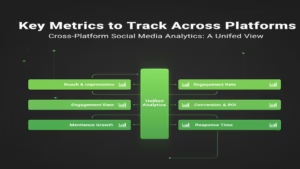
To leverage cross-platform analytics, it’s crucial to understand the key metrics that indicate performance.
2.1 Engagement Metrics
- Likes, Comments, and Shares: Show audience interaction with content.
- Mentions and Tags: Reflect brand visibility and community engagement.
- Saves (Instagram/TikTok): Highlight content that resonates deeply.
2.2 Reach and Impressions
- Reach: Number of unique users who saw your content.
- Impressions: Total number of times content was displayed.
2.3 Click-Through Rates (CTR)
CTR measures how effectively content drives users to take action, such as visiting your website or landing page. It’s calculated as:
CTR(%)=TotalClicksTotalImpressions×100CTR (\%) = \frac{Total Clicks}{Total Impressions} \times 100CTR(%)=TotalImpressionsTotalClicks×100
2.4 Conversion Metrics
Conversions vary based on business goals:
- Form submissions
- Hootsuite: Monitors multiple platforms in one dashboard.
- Sprout Social: Advanced reporting, engagement tracking, and social listening.
- Buffer Analyze: Simple and effective for content performance analysis.
- Google Analytics: Integrates social traffic data into website performance metrics.
3.3 Choosing the Right Tool
Consider:
- Platforms you need to track
- Depth of analytics required
- Budget constraints
- Automation and reporting features
4. Collecting and Integrating Data

4.1 Data Collection Methods
- API integration from each social platform
- Manual export of CSV reports
- Third-party tools that aggregate data
4.2 Data Integration
- Consolidate data into centralized dashboards (e.g., Google Data Studio, Tableau)
- Standardize metrics across platforms for accurate comparison
- Track performance trends over time
4.3 Automation and Real-Time Tracking
- Use tools to automatically collect and update data
- Real-time dashboards help marketers react quickly to trends or underperforming content
5. Interpreting Data Effectively
Collecting data is only half the battle. Interpreting it correctly is key.

5.1 Analyze Contextually
- Compare similar content types across platforms
- Understand audience behavior per platform
5.2 Identify Trends and Patterns
- Track which posts drive the most engagement
- Analyze the timing and format of successful posts
5.3 Compare Platform Performance
- Which platform drives the most traffic?
- Which platform has the highest conversion rate?
5.4 Identify Underperforming Content
- Pinpoint posts with low engagement
- Adjust strategy or repurpose content for better results
6. Optimizing Social Media Strategy Using Analytics
6.1 Content Strategy Adjustments
- Focus on high-performing content types (videos, reels, infographics)
- Experiment with tone, style, and messaging
6.2 Posting Schedule Optimization
- Analyze engagement data to determine peak times
- Adjust posting frequency per platform
6.3 Audience Targeting
- Use demographic data to refine target audience
- Personalize campaigns based on audience interests and behaviors
6.4 Paid vs Organic Performance
- Track ROI on paid campaigns
- Identify which organic content naturally performs best
7. Common Challenges and How to Overcome Them

7.1 Data Inconsistencies
- Metrics can vary by platform definitions
- Solution: Standardize metrics and track performance consistently
7.2 Overwhelming Data Volume
- Multiple platforms generate large amounts of data
- Solution: Focus on key KPIs relevant to business goals
7.3 Aligning KPIs with Goals
- Without clear goals, metrics are meaningless
- Solution: Use SMART objectives to define measurable KPIs
7.4 Integration Difficulties
- Platforms have different reporting formats
- Solution: Use tools that automate aggregation and reporting
8. Case Studies: Real-Life Examples of Cross-Platform Analytics Success
8.1 E-commerce Brand Example
- Implemented cross-platform analytics to track Instagram, Facebook, and Pinterest
- Found Instagram Reels drove 3x more traffic than other platforms
- Adjusted strategy, increased ROI by 45% in three months
8.2 B2B SaaS Example
- Used LinkedIn, Twitter, and YouTube analytics
- Identified LinkedIn drove highest-quality leads
- Focused content strategy on LinkedIn thought leadership
9. Future Trends in Cross-Platform Social Media Analytics
- AI-Powered Analytics: Predictive insights and automated recommendations
- Unified Dashboards: Integrating emerging platforms like TikTok and Clubhouse
- Sentiment Analysis: Measuring audience perception beyond likes and shares
- Real-Time Social Listening: Immediate reactions to brand mentions
Common Challenges and How to Overcome Them
10.1 What is Social Media Listening?
Social media listening goes beyond basic analytics. It tracks mentions of your brand, products, competitors, and industry keywords across platforms. Unlike standard metrics, listening gives insight into public perception and trends.

10.2 Sentiment Analysis
- Measures positive, negative, or neutral mentions
- Helps brands identify potential PR issues or opportunities
- Tools like Brandwatch, Sprout Social, and Hootsuite Insights automate sentiment tracking
10.3 Benefits for Cross-Platform Analytics
- Improves content strategy by aligning messaging with audience sentiment
- Identifies emerging trends across platforms
- Supports customer support by monitoring complaints in real time
11. Advanced Metrics: Beyond Likes and Shares
11.1 Engagement Quality vs Quantity
- Focus on meaningful interactions: comments, shares with context, and conversations
- Track engagement per impression rather than raw numbers
11.2 Social Media ROI
- Calculate return on investment for campaigns using revenue, leads, or other KPIs
- Example: ROI=Revenue from Social Media−CostCost×100ROI = \frac{Revenue\ from\ Social\ Media – Cost}{Cost} \times 100ROI=CostRevenue from Social Media−Cost×100
11.3 Influencer and User-Generated Content Metrics
- Track how influencer campaigns perform across platforms
- Monitor content generated by users for engagement, brand mentions, and sentiment
12. Cross-Platform Content Strategy Optimization
12.1 Tailoring Content Per Platform
- Not all content works the same on Facebook, Instagram, LinkedIn, TikTok, or Twitter
- Example: Short videos for TikTok, long-form posts for LinkedIn, carousel ads for Instagram
12.2 Content Repurposing
- Convert top-performing content from one platform to another format
- Example: A blog post → Instagram infographic → LinkedIn article
12.3 Testing and Experimentation
- A/B testing posts across platforms
- Optimize posting times, captions, and media types based on analytics
13. Automation and AI in Cross-Platform Analytics

13.1 Role of AI
- Predictive analytics for trend forecasting
- Automated reporting and dashboards
- Chatbots and AI-driven audience segmentation
13.2 Automation Tools
- Zapier, HubSpot, and Hootsuite integrations for cross-platform data
- Automatically collect metrics, create reports, and schedule content
14. Benchmarking and Competitor Analysis
14.1 Importance of Benchmarking
- Compare your performance to industry standards
- Identify strengths and weaknesses
14.2 Competitor Analytics
- Track competitors’ engagement, growth, and content strategies
- Tools: Social Blade, SimilarWeb, SEMrush, BuzzSumo
- Helps refine strategy and seize market opportunities
15. KPIs for Different Business Goals

15.1 Brand Awareness
- Metrics: reach, impressions, mentions, share of voice
- Goal: maximize visibility across platforms
15.2 Engagement and Community Building
- Metrics: comments, shares, saves, participation in campaigns
- Goal: foster loyalty and conversation
15.3 Lead Generation and Conversions
- Metrics: click-throughs, landing page visits, form submissions
- Goal: convert social engagement into measurable business results
15.4 Customer Support Metrics
- Metrics: response rate, resolution time, satisfaction score
- Goal: improve customer experience and retention
16. Cross-Platform Reporting and Visualization
16.1 Importance of Dashboards
- Visual representation of metrics for easier understanding
- Combine multiple platforms in one comprehensive view
16.2 Popular Tools for Reporting
- Google Data Studio, Tableau, Klipfolio
- Allows customized reports for different teams
16.3 Best Practices
- Keep reports clear and concise
- Highlight key insights and actionable recommendations
- Update dashboards regularly for real-time monitoring
17. Case Studies and Examples
17.1 Global Brand Success Stories
- Nike: Uses cross-platform analytics to integrate campaigns across Instagram, Twitter, and YouTube
- Coca-Cola: Tracks sentiment globally to adjust marketing messaging
17.2 Small Business Examples
- Small e-commerce store tracking Instagram and Facebook ads
- Increased ROI by 60% by focusing on high-performing content identified through analytics
18. Future of Cross-Platform Social Media Analytics

18.1 Predictive Analytics
- AI models predict content success and engagement trends
- Helps marketers proactively plan campaigns
18.2 Integration with Emerging Platforms
- Monitoring TikTok, Clubhouse, Pinterest, and future social platforms
- Consolidating data into a single dashboard for complete insights
18.3 Privacy and Data Compliance
- GDPR, CCPA, and other privacy regulations impact analytics
- Ensure cross-platform tools comply with legal standards
Conclusion
Cross-platform social media analytics is no longer optional; it’s essential for businesses aiming to maximize social media ROI. By tracking the right metrics, using the right tools, and interpreting data effectively, marketers can make informed decisions, optimize campaigns, and stay ahead of the competition.
Investing time and resources into cross-platform analytics empowers brands to understand their audience, refine content strategies, and achieve measurable growth across multiple channels.